Independent schools often identify community as a value, and at their best, they live it as a daily practice. At DCD, this commitment is stated plainly in our mission: we embrace an inclusive interdependent community of students, teachers, and parents that fosters trust and encourages children to take risks. While we all agree that community is a positive attribute, it’s helpful to think about what it actually means and why schools place such an emphasis on it.
A strong school community begins with relationships. Students learn best when they feel known, supported, and valued by both peers and adults. Research and practice affirm that when students experience a sense of belonging, they are more willing to engage, collaborate, and stretch themselves academically and socially. As summarized in an article by the Association for Supervision and Curriculum Development:
A growing body of research confirms the benefits of building a sense of community in school. Students in schools with a strong sense of community are more likely to be academically motivated (Solomon, Battistich, Watson, Schaps, & Lewis, 2000); to act ethically and altruistically (Schaps, Battistich, & Solomon, 1997); to develop social and emotional competencies (Solomon et al., 2000); and to avoid a number of problem behaviors, including drug use and violence (Resnick et al.,1997).
In other words, schools have the opportunity to build an environment that supports the overall well-being of its students by cultivating their sense of belonging. Students in strong school communities develop empathy, resilience, confidence, and a sense of purpose. They are also more likely to take risks when they trust that mistakes will be treated as part of the learning process rather than as failures.
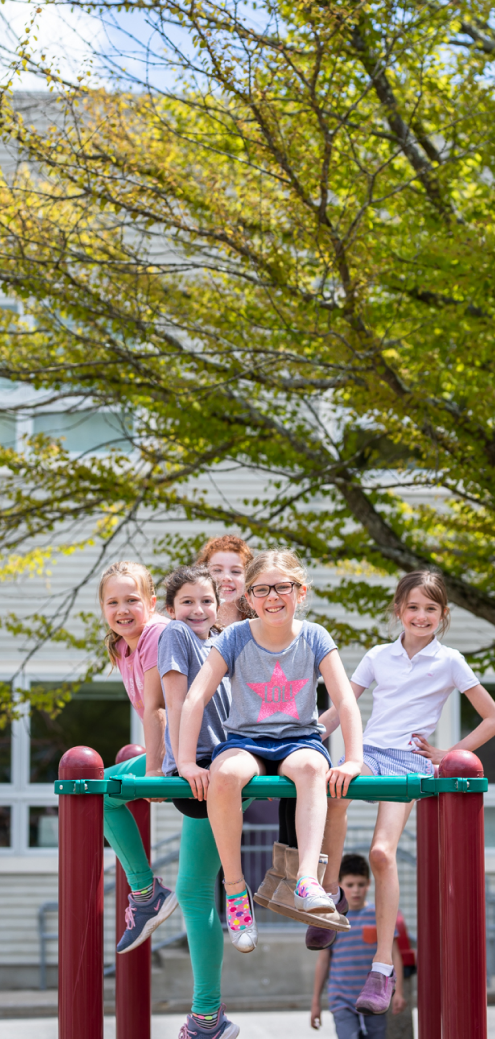
At DCD, we take an intentional approach to cultivating students’ engagement with the community. In the Lower School, it emerges through play, shared projects, and classrooms structured around cooperation and curiosity. In the Middle School, it evolves into a deeper web of responsibility, as students learn how their words and actions shape a larger collective. Advisory programs, service learning, athletics, and student leadership opportunities all reinforce the idea that each child matters and that each child also belongs to something larger than themselves.
While students are clearly the core focus of our school, DCD’s view of community extends to all the adults that help shape a child’s experience. This is why we devote so much time and energy to strengthening our relationships with families and extended families: the stronger the ties between schools and families, the better we are able to fully understand our kids, nurture their growth, and tackle any obstacles.
This approach is reinforced by national trends, which show that “[a]bout 50 years of research has revealed the striking benefits of schools actively partnering with families to improve their children’s learning” (Harvard Graduate School of Education “Usable Knowledge”, 3/21/23). If you want to go deep on this topic, the Harvard article points to a recent book by Dr. Karen L. Mapp: Everyone Wins: The Evidence for Family-School Partnerships & Implications for Practice.
In addition, a robust community creates tailwinds in times of crisis. Every school, no matter how strong, eventually faces moments of uncertainty—societal upheaval, family hardship, public health emergencies, or internal challenges. In those moments, policies and programs matter, but relationships matter more. Schools with deep reservoirs of trust are better positioned to communicate clearly, to support those in need, and to move forward together rather than fracture under pressure. A strong community does not eliminate adversity, but it provides the scaffolding that allows people to navigate it with steadiness and care.
DCD benefitted tremendously from its investment in community during the pandemic, when we rallied around the goal of keeping school open safely, during a time of great stress and uncertainty. Our parents, faculty, staff, and students all prioritized doing what was best for our students, rather than dwell on any differences over tactics or philosophy. This would not have been possible without a strong foundation of trust, and indeed many other institutions struggled to regain their footing without it.
At the more individual level, we also see the strength of our community play out in everyday but meaningful ways: parents supporting one another during hiccups on their educational journeys, faculty collaborating across disciplines, students lifting teammates after a loss, classmates rallying around a peer who is struggling. These are not isolated gestures. They are the visible expressions of a culture built deliberately over time.
We are truly fortunate to be part of an institution that seeks to fulfill the goal of educating the whole child by tapping into the strengths of our entire community: where individual growth is nurtured in the context of collective responsibility, where our students learn by daily example what it means to belong, to contribute, and to lead with empathy, and where our families are full partners in the journey. That is the true power of community.
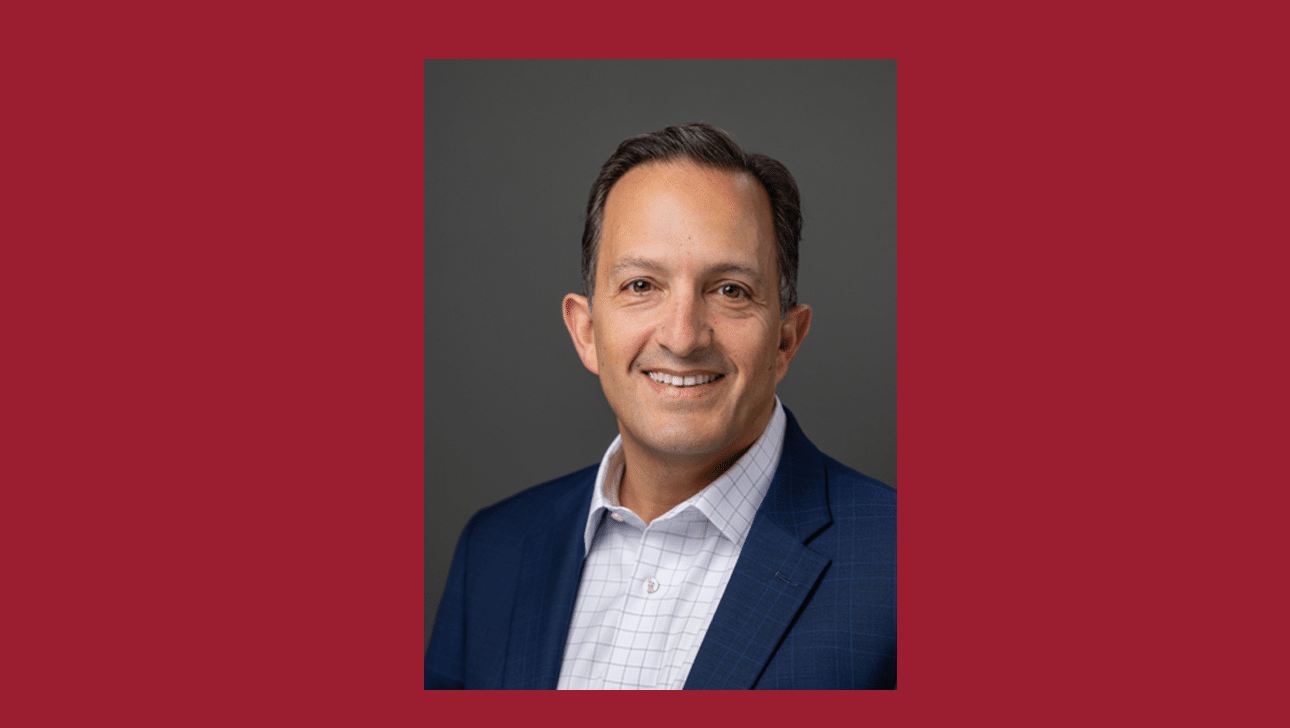
Written by: Charles Rudnick | Chief Advancement Officer and Director of External Relations, Middle School History Teacher